COPD Makes Every Breath Harder — Your Home's Air Quality Shouldn't
People living with COPD, asthma, and chronic respiratory conditions are highly sensitive to indoor air pollutants. We help Calgary families create safer indoor environments through targeted air quality improvements.
What Is COPD?
COPD stands for chronic obstructive pulmonary disease — a long-term lung condition that makes it progressively more difficult to breathe. It develops gradually over time and can include emphysema as well as chronic bronchitis. People who live with this disease live with reduced airflow.
COPD is the third leading cause of death in Canada and affects an estimated 2 million Canadians — more than the population of Calgary. Many cases go undiagnosed, according to the Canadian Lung Association.
Common symptoms include shortness of breath, persistent cough, wheezing, and excess mucus production. Flare-ups (sometimes called exacerbations) can be triggered by infections, weather changes, and exposure to airborne irritants.
COPD is most commonly caused by long-term exposure to tobacco smoke, but occupational dust, chemical fumes, and air pollution also play a role. There is no cure, but the condition can be managed through medication, pulmonary rehabilitation, and lifestyle adjustments.
One of those adjustments is your home environment. The air you breathe at home matters because most Canadians spend roughly 90% of their time indoors, according to Health Canada. Your COPD management plan is between you and your physician — your home environment is something you can control alongside that plan.
Indoor Air Quality & Respiratory Disease — The Connection
People with COPD, asthma, and other chronic obstructive or reactive airway conditions are disproportionately affected by indoor air quality. Their airways are already inflamed, hyperreactive, or obstructed — meaning that pollutant concentrations that healthy individuals can tolerate will trigger significant symptoms in a respiratory patient.
Indoor air is typically 2–5 times more contaminated than outdoor air, according to the EPA and Health Canada. This is particularly significant because COPD patients often spend the majority of their time indoors, especially during Calgary's cold winters. The home environment — the place intended for rest and recovery — can become a primary driver of symptom exacerbation.
The good news: indoor air quality is something we can measure, improve, and maintain. A combination of targeted interventions based on your specific home and household can meaningfully reduce exacerbation triggers.
- Whole-home air filtration removes allergens, mold, and PM2.5 from circulation
- Proper ventilation reduces CO₂ and accumulated VOC concentrations
- Humidity control prevents mold growth and reduces dust mite populations
- Duct cleaning removes years of accumulated contamination from your air delivery system
Common Indoor Air Problems in Calgary Homes
Calgary presents a specific set of indoor air quality challenges. The climate, building practices, and geography all play a role. If you are managing COPD in a Calgary home, these are the most common issues worth understanding.
For someone with healthy lungs, minor air quality issues at home might go unnoticed. For someone living with COPD, those same conditions — a bit of dust, slightly dry air, a stuffy room — can make a real difference in how they feel day to day.
Dry Winter Air
Calgary is one of the driest cities in Canada — winter relative humidity regularly drops below 20% indoors, sometimes reaching single digits without humidification. Very dry air can irritate airways, thicken mucus, and make breathing feel more laboured. The Canadian Lung Association recommends keeping indoor humidity between 30% and 50%.
Dust & Particulate Matter
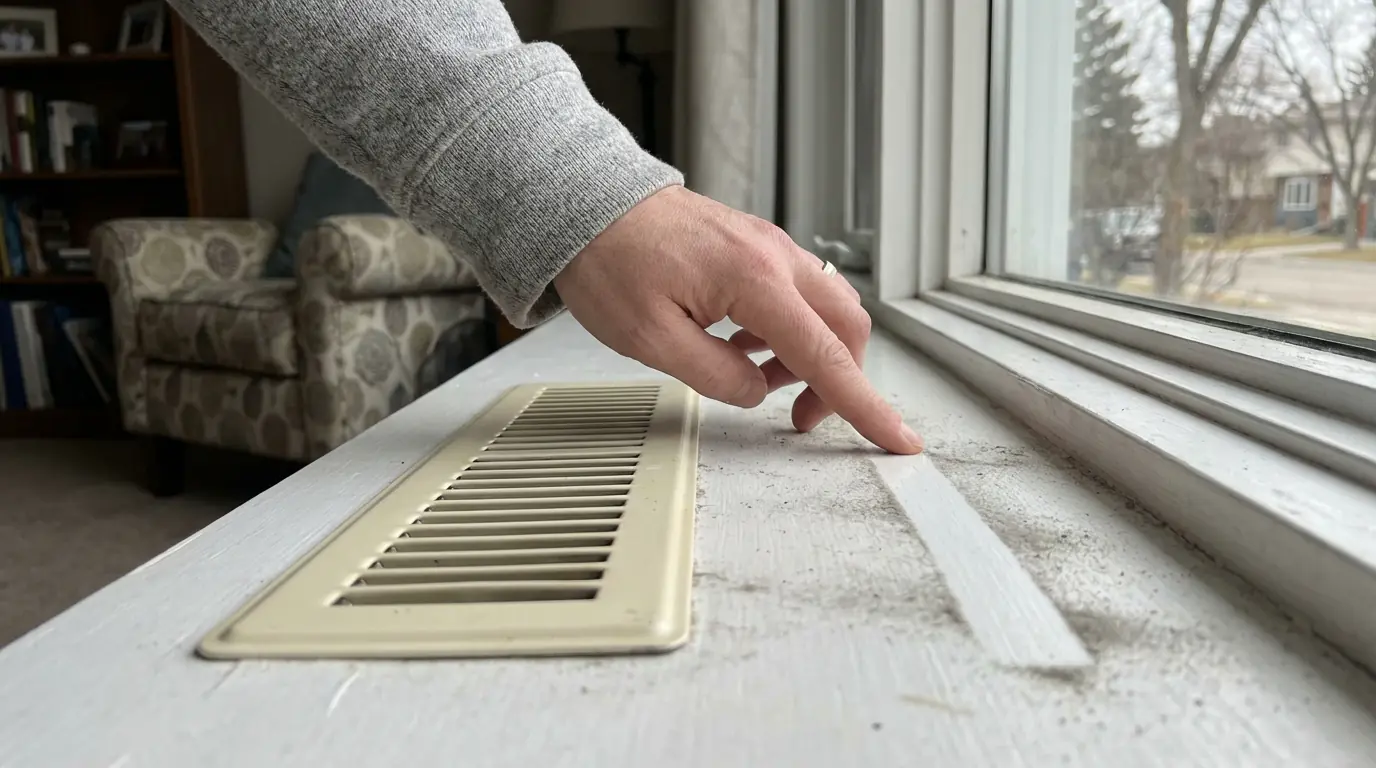
Construction activity, chinook winds, and Calgary's dry climate increase the particulate matter that enters and circulates through your home. Older homes with aging ductwork may have accumulated dust, debris, and even mould within the system. Fine particulate matter (PM2.5) is a particular concern for COPD.
Wildfire Smoke
Calgary's wildfire smoke seasons have become more frequent and more intense — the summers of 2023 and 2024 brought extended periods of poor outdoor air quality that directly affected indoor environments across the city. Without proper filtration, your home offers limited protection from wildfire smoke.
Poor Ventilation
Many Calgary homes, especially those built before modern building codes, have inadequate mechanical ventilation — some too tightly sealed without air exchange, others too leaky, letting unfiltered outdoor air and its pollutants in freely. Proper ventilation means controlled air exchange.
Chemical Irritants & VOCs
Household cleaning products, paint, new furniture, air fresheners, and gas appliances all release volatile organic compounds into your home's air. This is not about eliminating every product — it is about ensuring adequate ventilation and air purification.
Indoor Air Pollutants That Worsen COPD & Asthma
Particulate Matter (PM2.5)
Fine particles smaller than 2.5 microns penetrate deep into the lungs. Sources include outdoor pollution entering the home, cooking smoke, candles, and fireplace use. HEPA filtration is most effective against PM2.5.
Mold Spores
Mold spores trigger airway inflammation in asthma and COPD. Common sources: bathroom moisture, basement dampness, condensation on windows, and contamination inside ductwork. Humidity control and duct cleaning address this directly.
Dust Mite Allergens
Dust mites thrive in humidity above 50%. Fragments of their bodies and waste are potent airway allergens. Maintaining humidity at 40–50% RH reduces dust mite populations significantly.
Volatile Organic Compounds (VOCs)
Off-gassing from flooring, furniture, paint, and cleaning products accumulates in tight homes. HRV ventilation is the most effective mitigation — replacing stale VOC-laden air with fresh air continuously without energy waste.
Pet Dander
Pet allergens are sticky and persistent — they remain airborne and settle on surfaces for months. HEPA filtration and regular duct cleaning with Benefect disinfection are the primary interventions for pet-allergen management.
CO₂ & Stale Air
In tightly sealed homes, CO₂ concentrations rise significantly without ventilation — impairing cognitive function and worsening respiratory symptoms. An HRV continuously exchanges stale air for fresh without energy loss.
What Calgary Homeowners Can Do About Indoor Air Quality
None of these replace medical treatment — they address the environment your lungs work in every day.
Upgrade Your Air Filtration
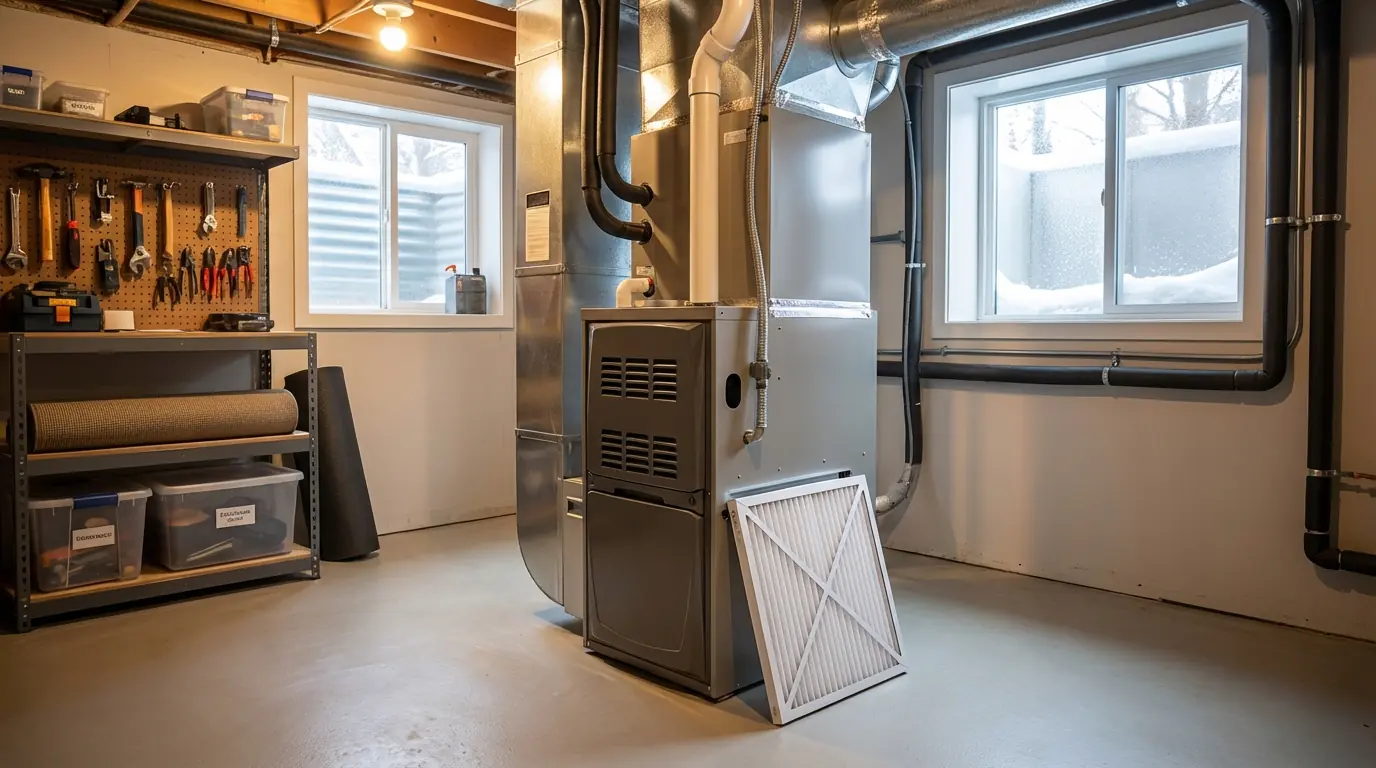
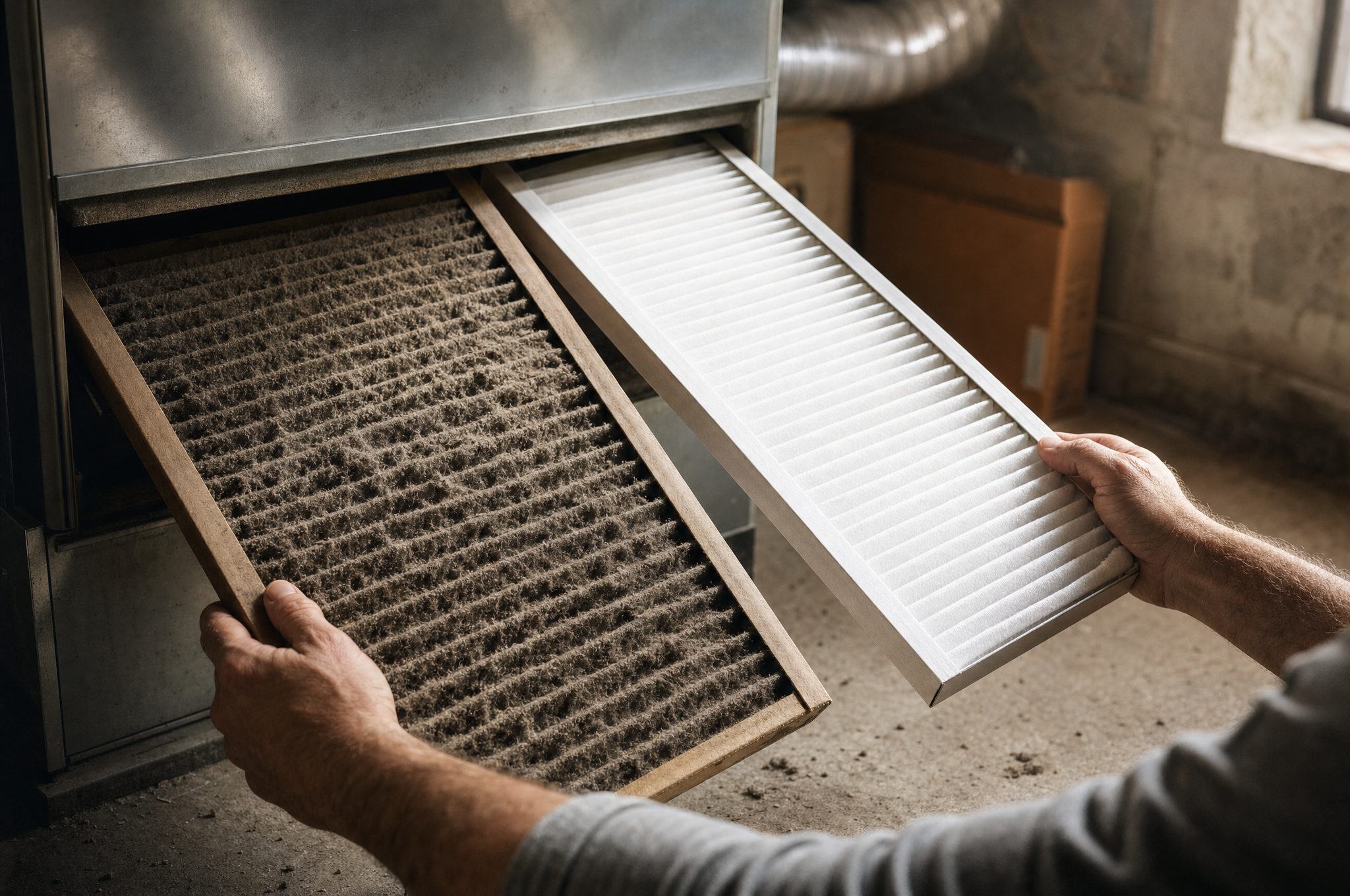
Standard fibreglass filters (MERV 1-4) capture less than 20% of airborne particles. A MERV 13 filter captures over 85% of particles down to 0.3 microns, including dust, pollen, mould spores, and many bacteria. A higher-rated filter in a system not designed for it can restrict airflow — upgrades should match your equipment's specifications.
Control Humidity
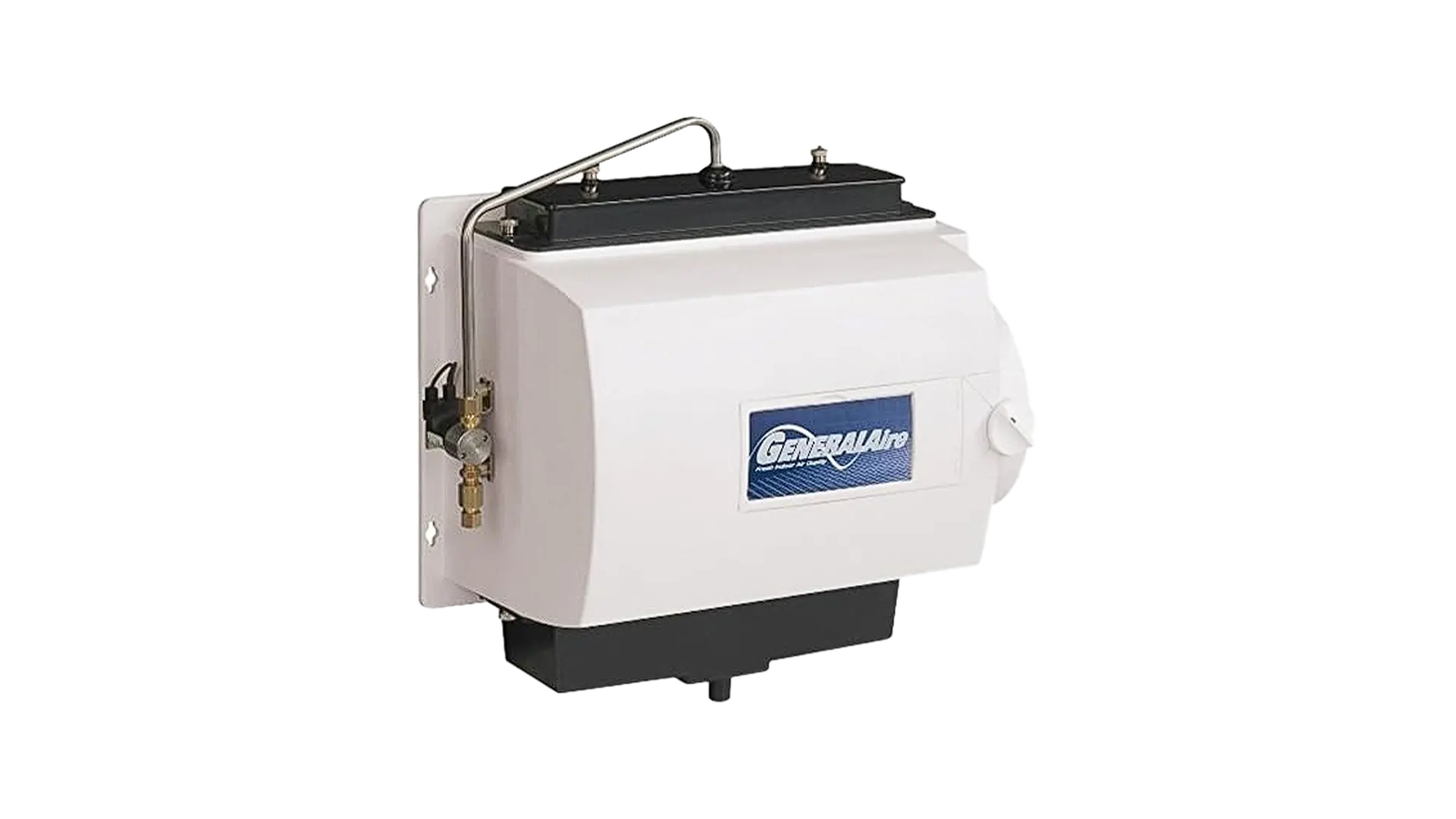
A whole-home humidifier connected to your furnace is the most effective way to maintain consistent humidity in Calgary's dry climate. A humidistat lets you set a target range — generally 30% to 50% — and the system maintains it automatically. In summer, your air conditioner naturally dehumidifies as it cools.
Improve Ventilation
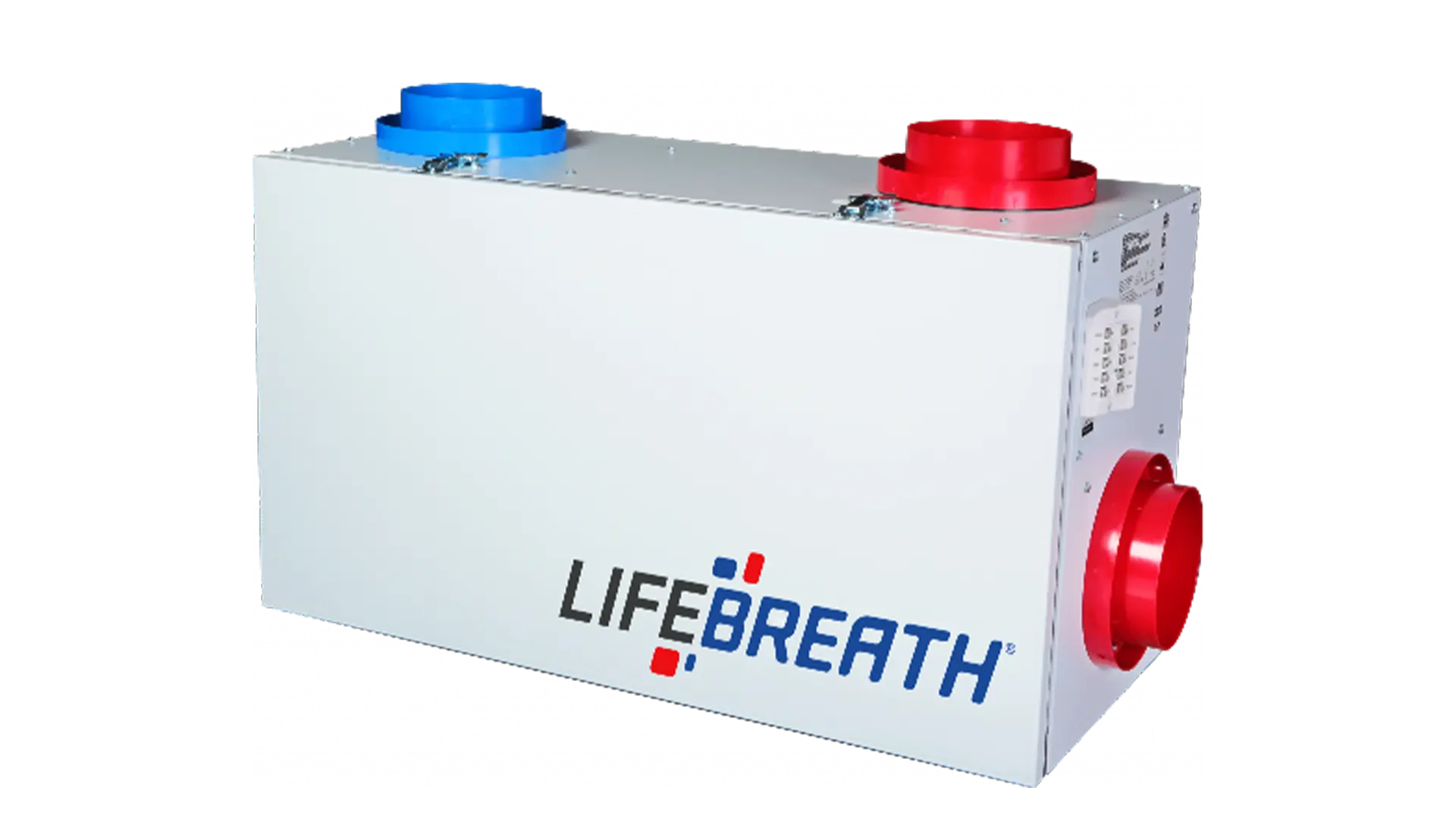
A heat recovery ventilator (HRV) or energy recovery ventilator (ERV) is the best option for home ventilation in cold climates like Calgary's — bringing in fresh outdoor air, filtering it, and using outgoing stale air to pre-heat or pre-cool the incoming supply, without the energy penalty of opening a window in January.

Consider Air Purification
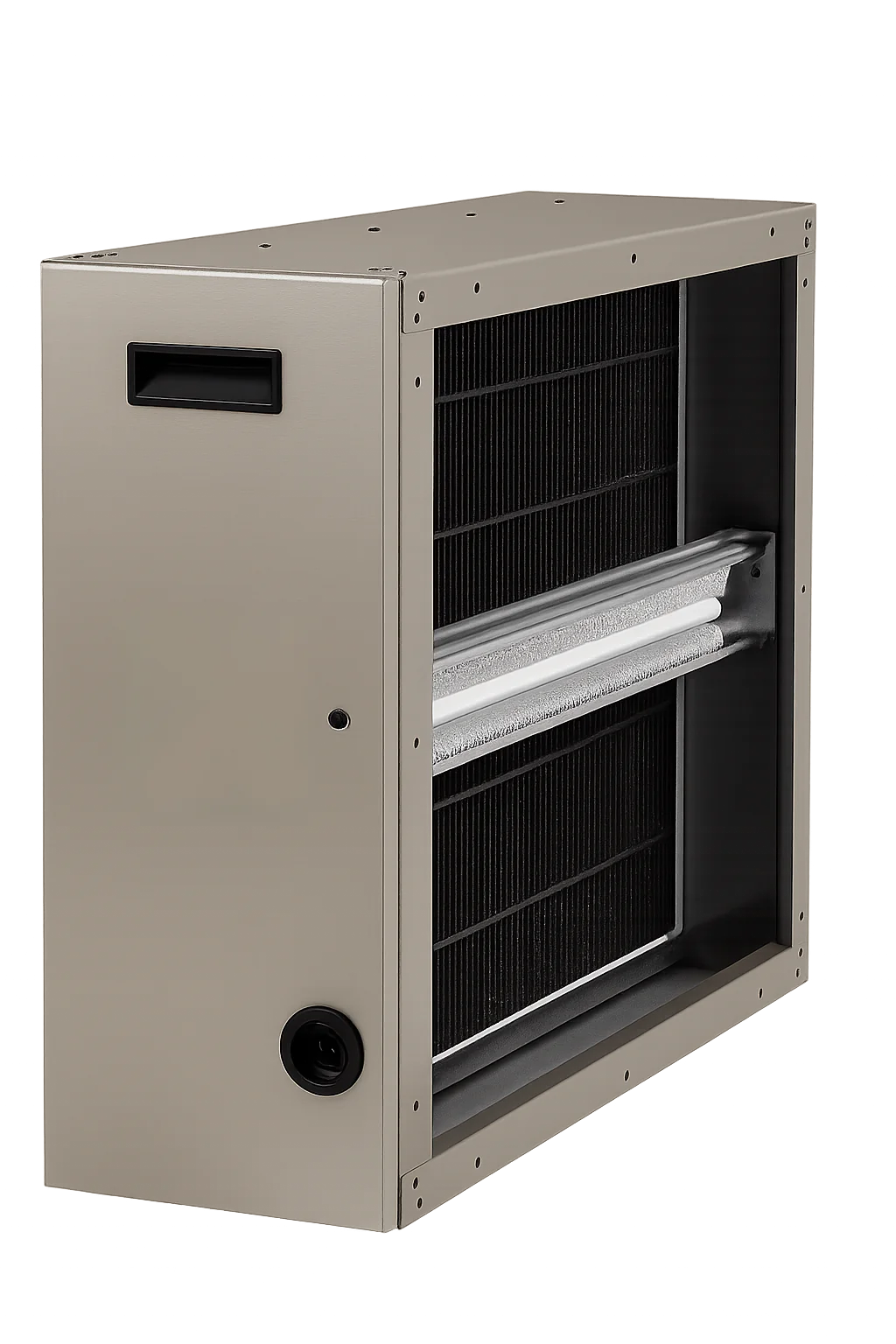
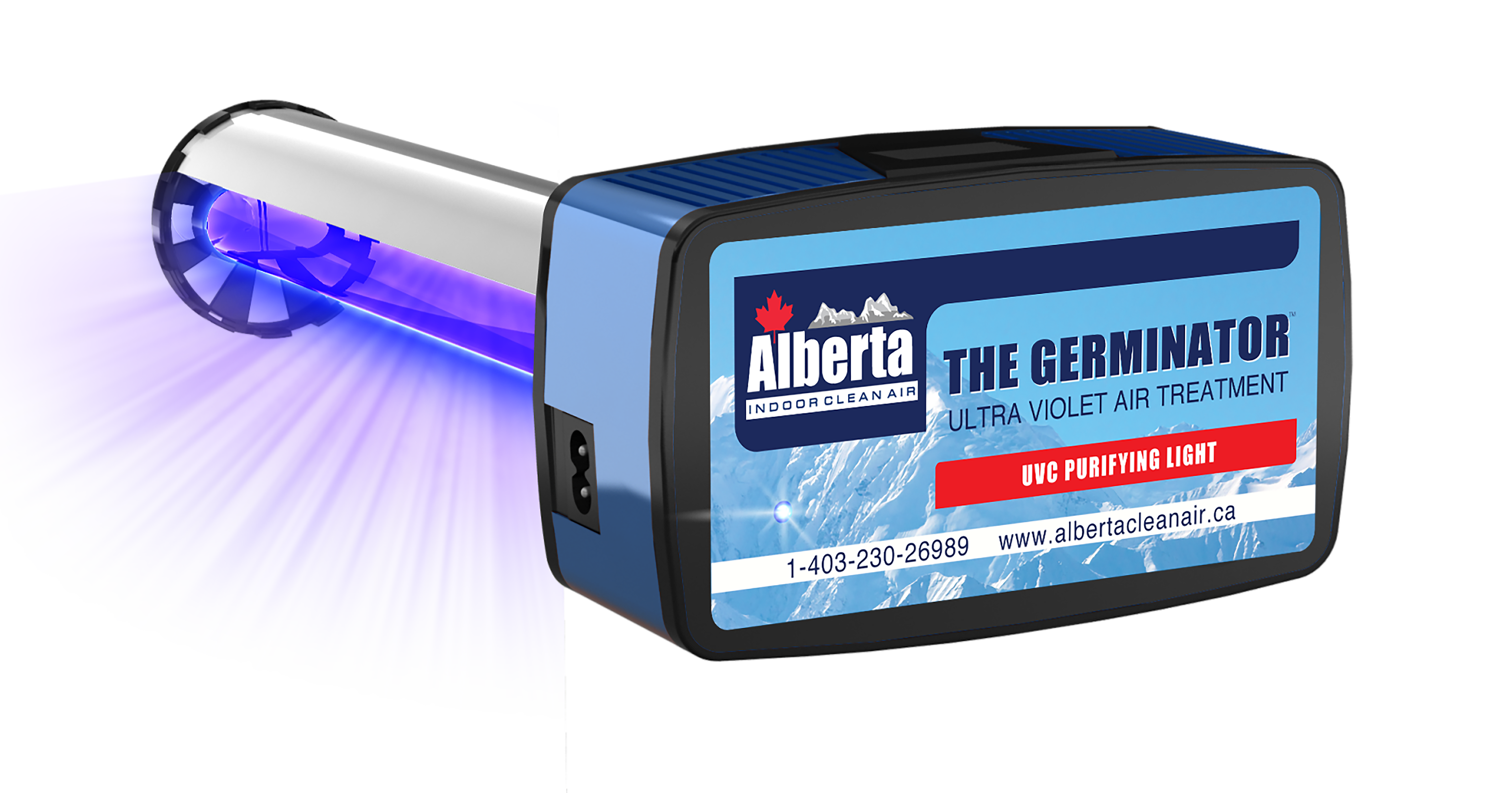
Air purification systems work alongside your HVAC system to neutralize airborne contaminants. UV germicidal systems target biological pollutants like mould, bacteria, and viruses. Activated carbon filtration helps reduce VOCs and odours.
Maintain Your HVAC System
A furnace, air conditioner, or HRV that isn't properly maintained can become part of the problem instead of the solution. Regular maintenance — typically once or twice per year — keeps your system running efficiently. Duct cleaning every three to five years, or after renovations, helps remove accumulated dust and debris.
A Complete IAQ Approach for Respiratory Health
Leaky Ducts Can Carry Contamination Into Your Air — Aeroseal Duct Sealing
Alberta Building Code 9-206 Division B, Sentence 9.32.3.11 states that all ductwork joints must be sealed with mastic, metal foil duct tape, or manufacturer-specified sealants — effective for new construction since 2006. Older houses with older ducting systems are highly likely to have more leaky ducts.
Aeroseal locates and seals every supply and return vent, pressurizes the duct system, and identifies leakage in cubic feet per minute — then injects an airborne sealant through a flexible hose that closes gaps and holes from the inside and out.


Free Respiratory Health IAQ Assessment
We assess your home's air quality from a respiratory health perspective, identify the highest-priority triggers, and recommend the most targeted combination of solutions.
COPD & IAQ Questions
What is the single most impactful IAQ improvement for a COPD patient?
It depends on what's in your home's air — which is why an assessment matters. For most homes, duct cleaning eliminates years of accumulated contamination from the delivery system, and HEPA or EAC filtration reduces ongoing particulate exposure. If VOCs or CO₂ are elevated, HRV ventilation has the highest impact. We recommend a combination, sequenced by cost-effectiveness.
Should I use an air purifier in the bedroom if I have COPD?
A bedroom air purifier can help — but it only addresses one room. Your HVAC system distributes air throughout your home. Whole-home filtration is more comprehensive and requires less ongoing attention. If portables are already in place, a whole-home upgrade should be the next step rather than adding more portables to other rooms.
Does humidity affect COPD symptoms?
Yes, in both directions. Low humidity (below 30% RH) irritates airways and dries mucous membranes, worsening respiratory symptoms. High humidity (above 50%) promotes mold growth and dust mite populations — both significant COPD triggers. The target range is 40–50% RH, maintained by a whole-home humidifier in winter and dehumidifier if needed in summer.
Resources for COPD Care in Calgary
Managing COPD is a medical matter, and Calgary has several specialized clinics and programs that provide diagnosis, treatment, and ongoing support. If you or someone in your household has been diagnosed with COPD, or suspects they may have it, these local resources can help.
Calgary COPD & Asthma Program (CCAP)
An Alberta Health Services program providing education, self-management support, and pulmonary rehabilitation for people living with COPD and asthma — one of the most thorough programs available in the city.
U-Breathe Respirology Clinic
A pulmonary function lab in Nolan Ridge offering respirology consultations and pulmonary function testing.
Peak Medical Group
Respiratory clinics at multiple Calgary locations, including Shawnessy, Lincoln Park, Crowfoot, and Trinity Hills, offering pulmonary function testing and respirology services.
TLC Lung Diagnostics
Locations in Westwinds, Marda Loop, and Skyview, providing pulmonary function testing and respiratory diagnostic services.
Foothills Medical Centre & Rockyview General Hospital
Both provide respiratory care and emergency services for COPD exacerbations. The Complex Airways Program through Alberta Health Services offers specialized care for patients with complex respiratory conditions.

Your Home Environment
Clinical care addresses your lungs. Your home environment addresses the air your lungs work with every day. We do not diagnose or treat respiratory conditions — what we do is assess and improve the mechanical systems in your home that determine your indoor air quality, complementing the care you receive from your medical team.
What Is Real Comfort and Safety?
Real comfort is going home from work in the winter and being in your most favourite and most comfortable clothing. Real comfort is taking a shower without worrying about running out of hot water.
Real comfort and safety is getting great rest at home without worrying about your system breaking down. To some, real comfort is having total control of the temperature at home, be it for heating or cooling, when you need it.
Each of us has our own definition of comfort and safety because we have different needs and wants. Different needs require different solutions — solutions that bring real comfort and safety.
Keep Warm and Cool
Real comfort and safety from having total control of your home's temperature, heat and cool, whenever and wherever you need it.

Having Great Indoor Air
Real comfort and safety from particulates, bacteria, and viruses we don't see — reducing health risk by creating a healthier, clean air.
Save Money on Utilities
Real comfort and safety from reducing the cost of utilities, having more purchasing power for the more important needs of the family.
Comfort & Safety as Gifts
Real comfort and safety can be shared with your family, loved ones, friends, and colleagues. Great news is always meant to be shared.
Studies show cognitive function can be up to 50% worse in environments with higher carbon dioxide concentration — a symptom of insufficient make-up air.
Respiratory IAQ Services Across Calgary & Area
Schedule a Free IAQ Assessment
Our Recent Indoor Air Quality Work in Calgary

More From the Alberta Indoor Comfort Blog
Practical HVAC changes that can reduce COPD triggers in your Calgary home.
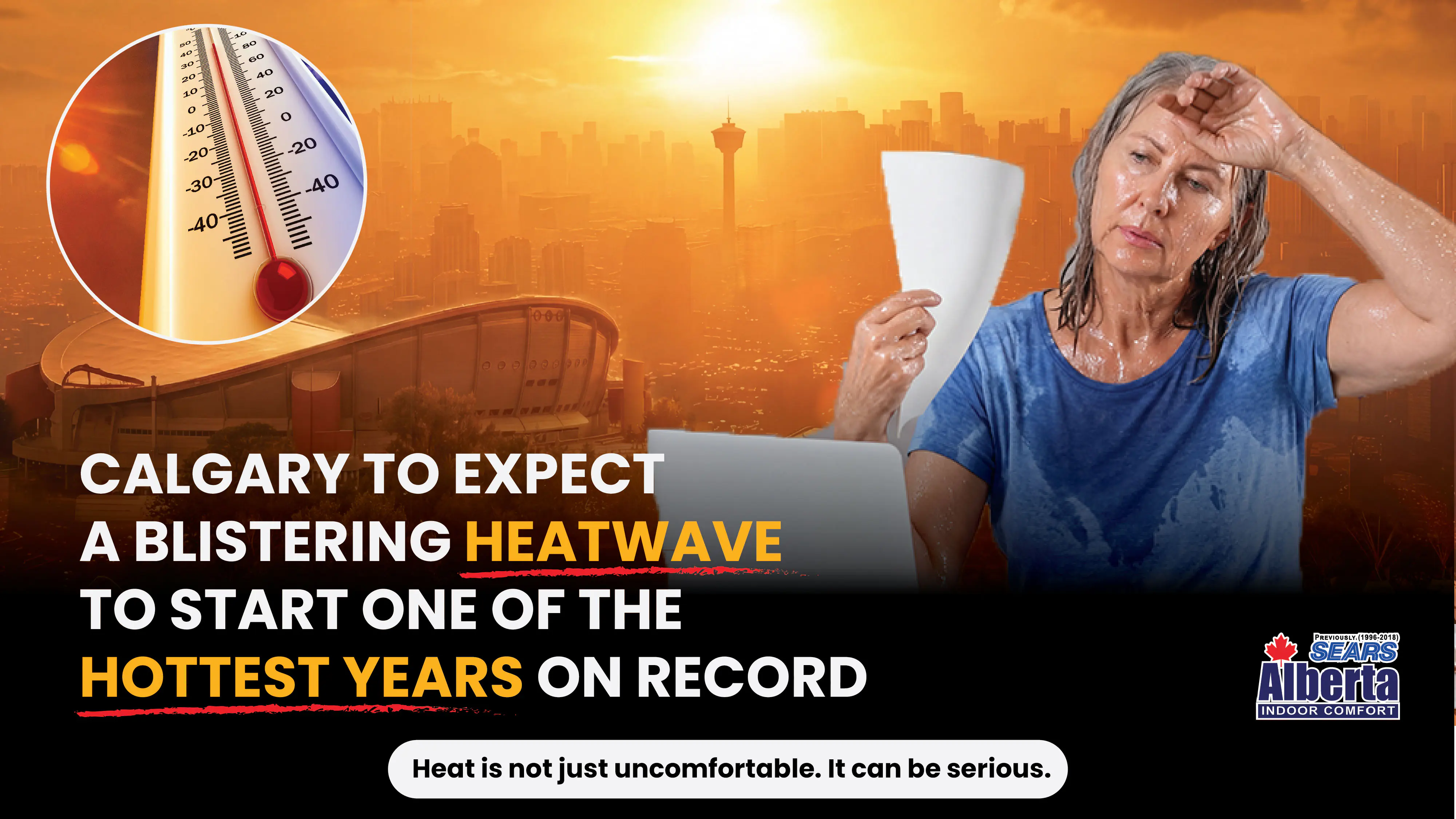
Alberta Heatwave Forecast 2026
How to stay cool and safe as Alberta heads into a hotter-than-usual year with sudden heat spikes and possible wildfire smoke.
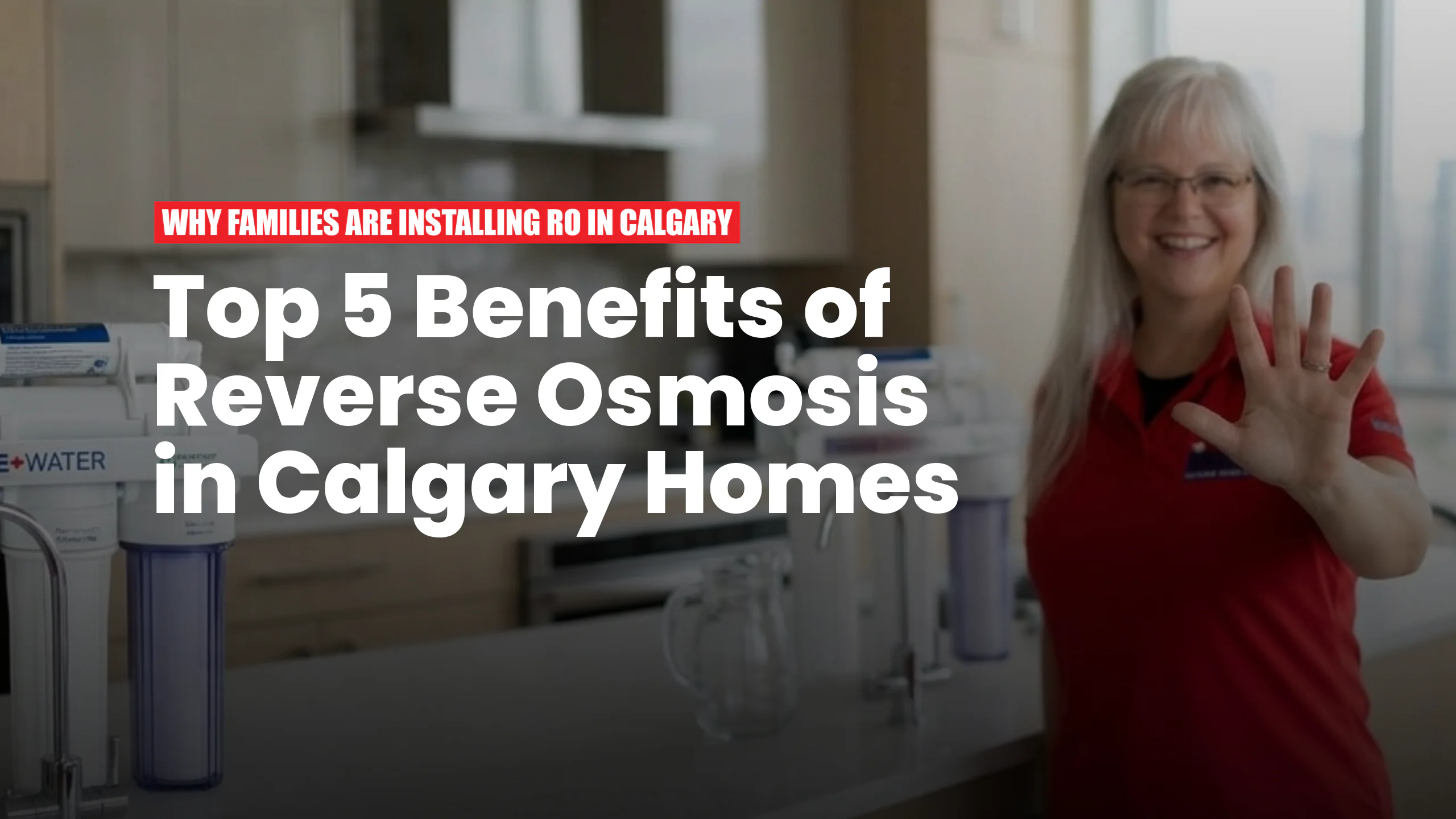
Top 5 Benefits of Reverse Osmosis in Calgary Homes
Reverse osmosis doesn't replace municipal treatment — it enhances drinking and cooking water quality at a dedicated tap.
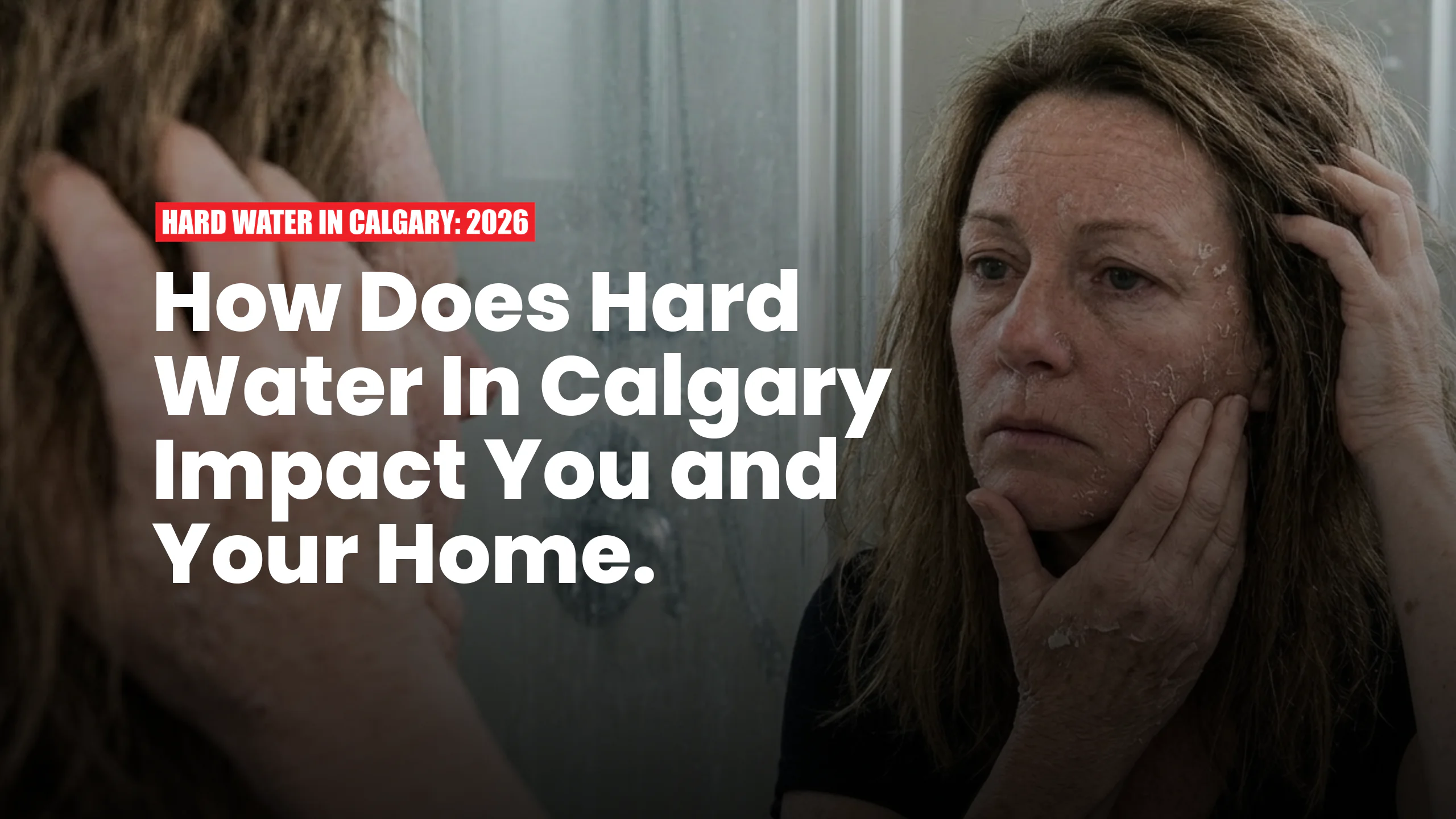
Hard Water in Calgary 2026
Calgary's water meets safety standards, but hardness levels can reach up to 290 mg/L CaCO3 — here's what that means for your home.
Protect the Air at Home — Where Recovery Happens
Whole-home IAQ solutions for COPD, asthma, and respiratory health — Calgary's indoor air quality specialists.
Last updated: July 2026